
Shopping Cart



Best Tool for Air Layering: Why Japanese Toriki Shears Stand Out
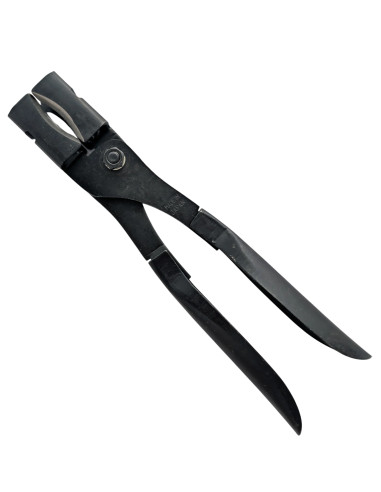
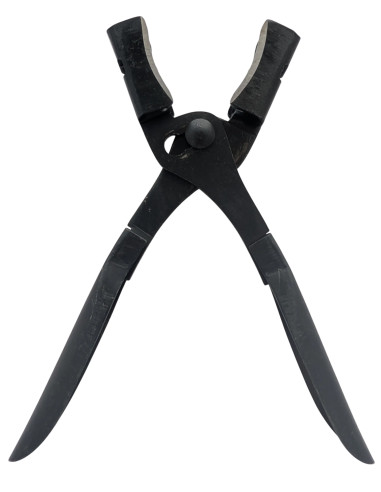
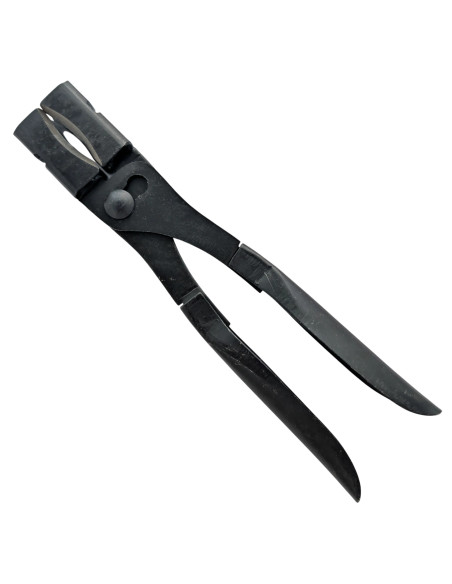
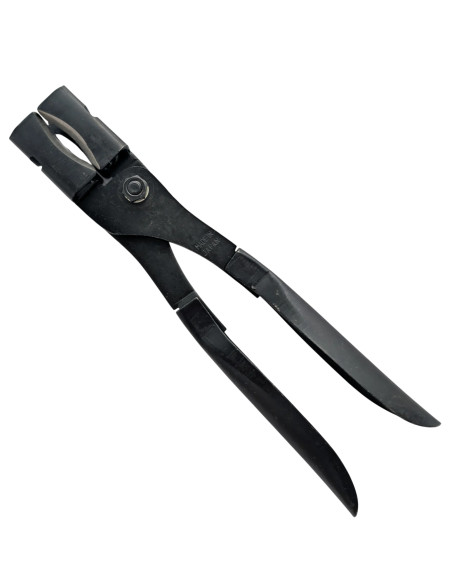
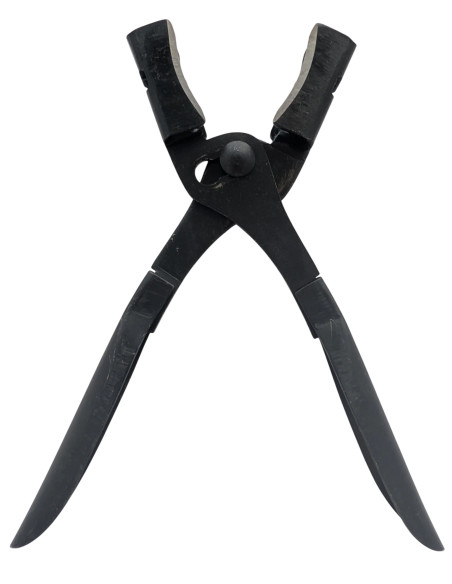
Engineered and manufactured in Japan, these authentic Toriki shears are purpose-built for air layering propagation. Unlike standard grafting knives or traditional pocket knives - often used for similar procedures but requiring multiple steps and introducing higher safety risks - this tool is designed with a specialized structure that enables precise girdling operations while helping preserve the integrity of the vascular system in bonsai, fruit trees, ornamental shrubs, and general gardening applications.
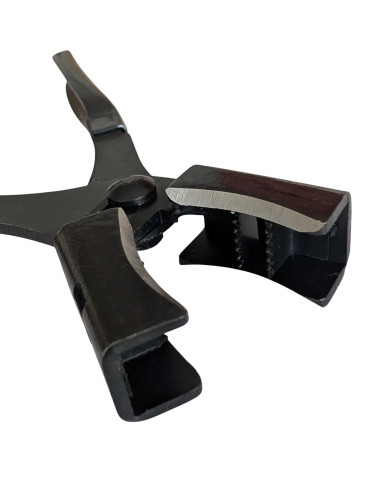
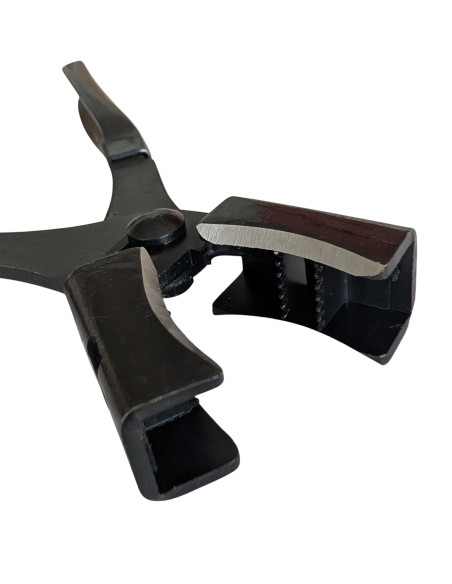
The tool features a dual-action blade system with outer cutting edges that create clean, controlled incisions through the bark, combined with an integrated internal teethed mechanism (Giza-ba). As the tool is rotated around the branch, these internal teeth grip and gently abrade the outer bark and cambial tissue in a continuous motion, producing a uniform exposed surface that discourages premature healing and supports consistent root formation (nebari).
A key structural characteristic is the off-center, asymmetric pivot screw. By shifting the fulcrum outward, the design increases blade opening capacity relative to handle size, allowing the tool to comfortably accommodate thicker or more mature branches. This geometry also improves mechanical leverage, reducing the effort required during cutting and minimizing hand fatigue during repeated use.
Traditional air layering methods typically involve multiple separate steps, including repeated scoring and manual bark removal. This system consolidates the entire process into a single controlled rotation, significantly improving workflow efficiency while reducing the risks associated with open-blade tools on curved or unstable surfaces. The rounded tip further enhances safety by limiting excessive penetration and helping avoid damage to deeper vascular tissues such as xylem.
Optimized for bonsai work, fruit tree propagation, and general horticulture, the compact and lightweight construction allows precise handling in confined branch structures. How to use the tool for air layering:
- Ring Incision & Scraping: Position the blades around the circumference of the stem or branch (typically at a distance equivalent to 1.5 times the branch diameter). Close the tool with steady pressure and rotate it completely around the branch until the bark has been fully removed by the internal teeth.
- Substrate Application: Once the cambium layer is cleanly exposed, apply rooting hormone to the targeted area and wrap with a moist substrate (such as sphagnum moss or peat), sealing it tightly with plastic film.
Product Specifications
- Country of Origin: Japan
- Blade Type: Dual-Action with Internal Scraping Teeth (Giza-ba)
- Pivot: Off-Center / Asymmetric Screw
- Blade Length: 22 mm
- Total Length: 170 mm
- Weight: 120 g
- Material: Japanese High-Carbon Steel
- Primary Use: Air Layering / Plant Propagation (Toriki)
Professional Japanese-made Toriki shears designed for efficient air layering propagation. Featuring an innovative internal teethed blade system, a specialized blunt tip, and an off-center pivot, this tool executes precise bark incisions and clean girdling in a single rotary motion, maximizing rooting success in bonsai and general horticulture without damaging the underlying wood structure.


